
NeXus #0007

The weekly supplement for extra goodies.
Articles:

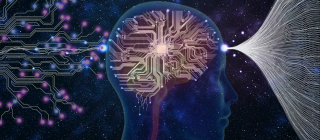
Reflects on why trust in institutions, especially science and journalism, has eroded in an age of information overload, and uses a brief history of how we misunderstood and gradually came to understand the human brain—from trepanation and heart‑as‑mind theories to modern neuroscience—to show that reliable knowledge arises slowly from flawed, ethically fraught, but self‑correcting processes, arguing that “doing your own research” only works if you learn how to evaluate evidence, resist confirmation bias, and embrace the discomfort of not knowing.
Examines emerging research into which kinds of cognitive exercises may meaningfully support brain health, and why their effects can vary from person to person.


Examines decades of attempts to test whether intercessory prayer improves medical outcomes and argues that, beyond the many flawed or even fraudulent studies, there are deep conceptual and ethical problems that make prayer a poor candidate for clinical trials: you cannot create a true “no‑prayer” control group, outcomes are easily cherry‑picked or driven by chance, funding and researcher bias are strong, and any deity—if it exists—cannot realistically be treated like a doseable drug, so science is better devoted to questions where methods and mechanisms can meaningfully apply.
 Skeptic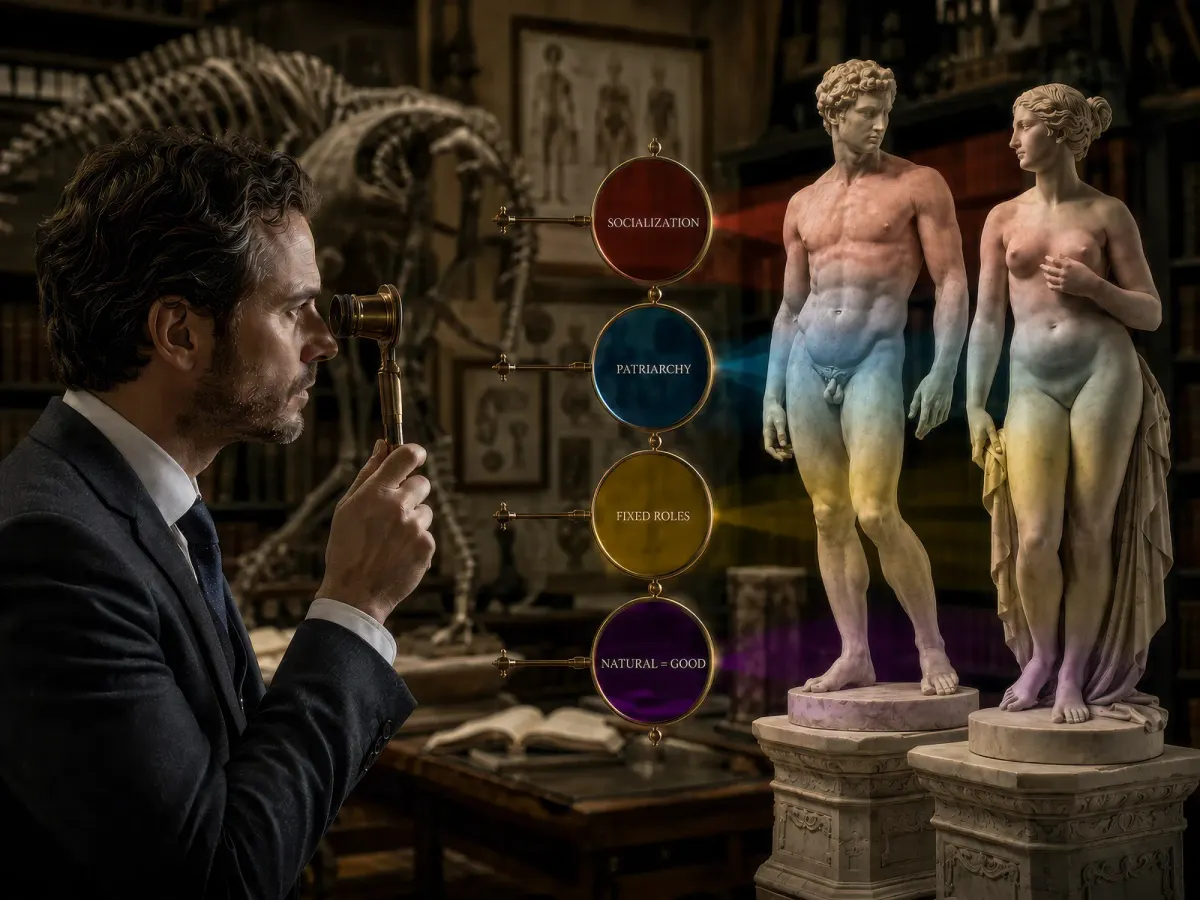
An accessible, interview-style exploration of what evolutionary psychology actually claims about sex differences, emphasising that most male–female psychological differences are modest, overlapping, and subject to both biological and cultural influence, while repeatedly separating scientific explanation from moral endorsement.
 John Timmer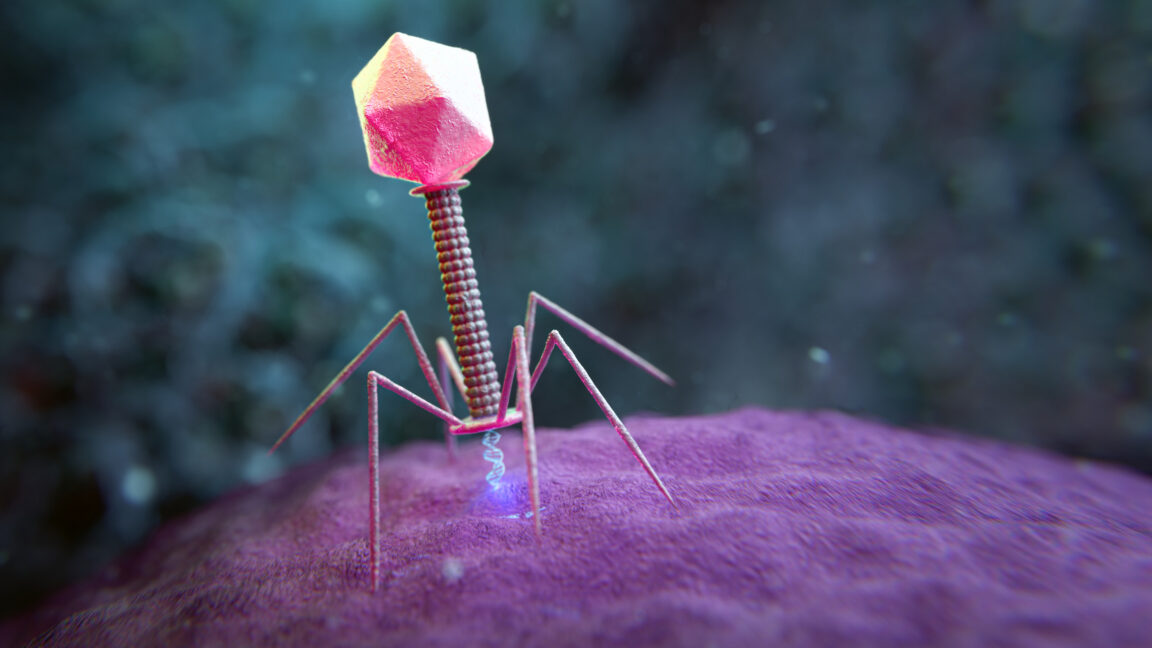
Examines a new use of generative AI in biology: models trained on DNA sequences are being tested for their ability to produce plausible viral genomes. It explores both the scientific promise of this approach and the biosecurity questions it raises, especially around how such capabilities should be governed.
 James Dinneen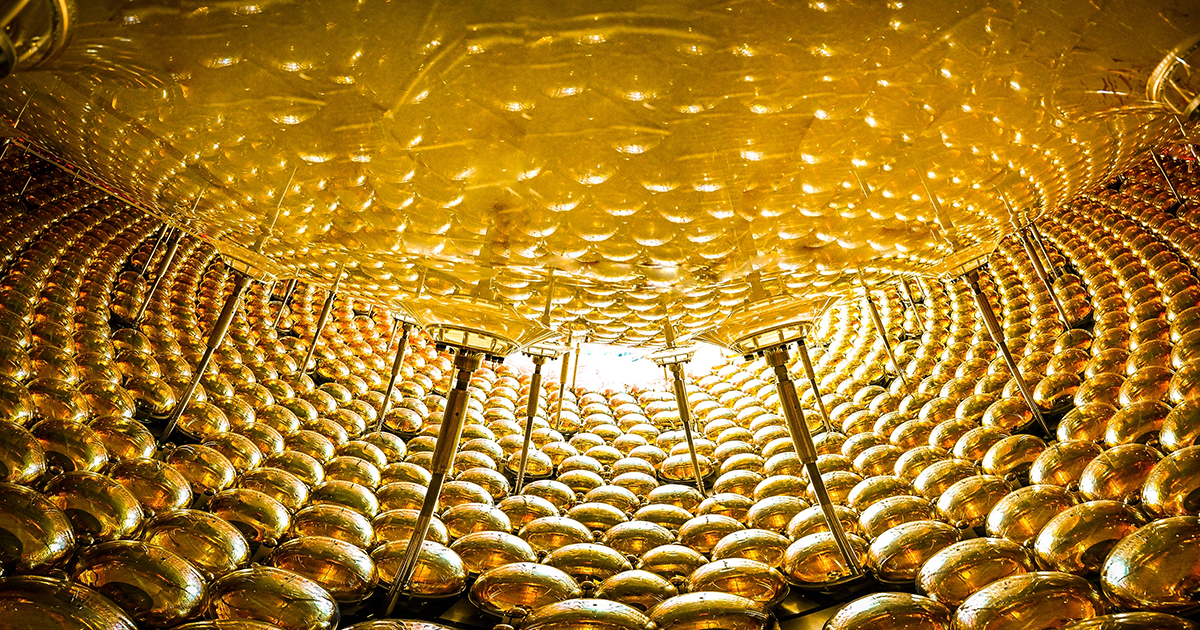
Explores how scientists use elusive particles from Earth’s interior to investigate the hidden processes that shape the planet beneath our feet.
 Colin McInnes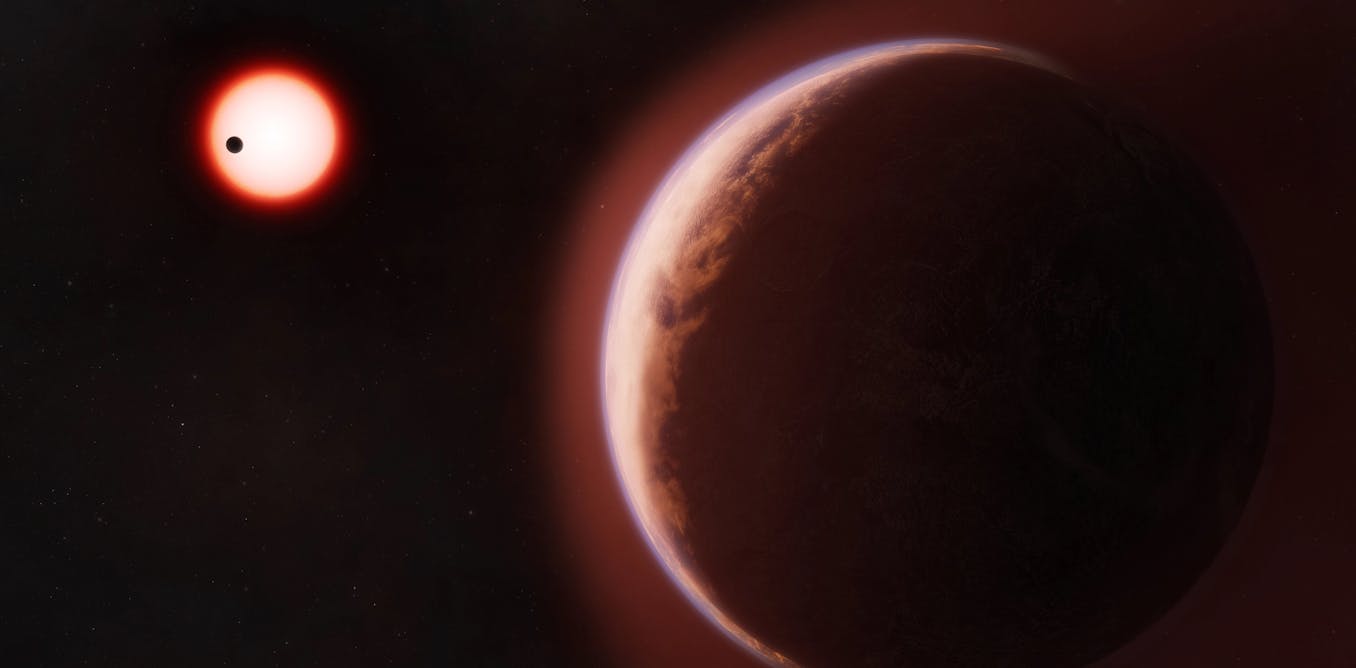
A forward-looking explainer about whether small robotic spacecraft could one day reach nearby star systems within a human lifetime. It examines the technologies that could make this conceivable—especially ultra-miniature sensors and spacecraft propelled by light sails—while distinguishing between what is already being tested and what remains highly ambitious.
 Aaron Horwath
An essay about the growing unease among highly educated “knowledge workers” as AI changes what office work feels like—not only whether jobs remain secure, but whether the work has meaning at all. It asks whether careers in technology, finance, consulting, and similar fields have become overly dependent on status, busyness, and professional identity.
Explains why gravity is not exactly the same everywhere on Earth, using the planet’s shape, rotation, terrain, and internal structure to explore the factors that make some locations experience slightly stronger or weaker gravitational pull.
Examines what modern cosmology can—and cannot—tell us about whether the universe extends without limit beyond the observable cosmos.
 Matthew Williams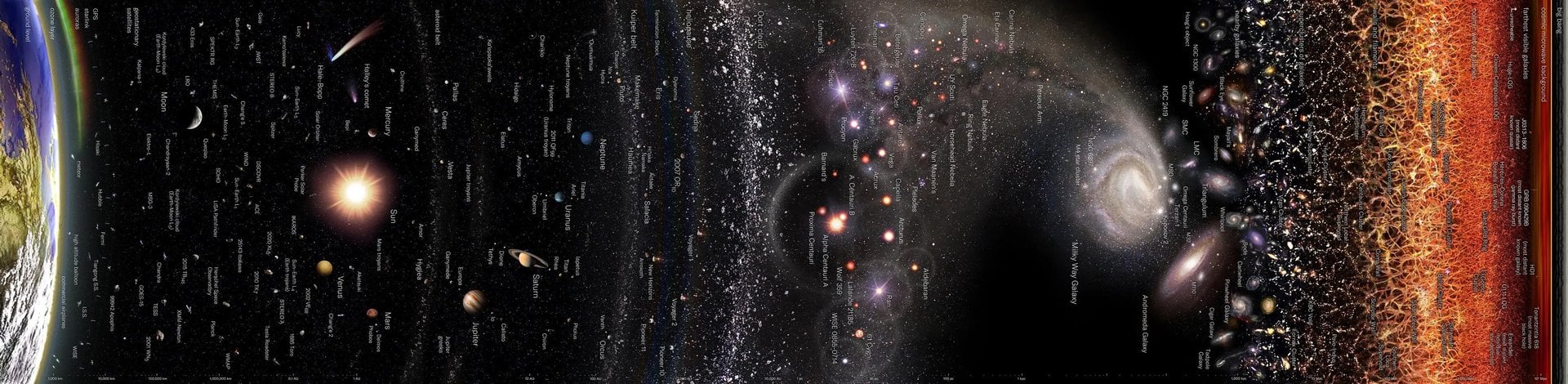
Sets the stage for a series on interstellar travel by explaining just how vast the challenge is, then tracing how, from the early Space Age and Cold War onward, scientists and space agencies explored nuclear-thermal, nuclear-electric, and nuclear pulse propulsion as theoretically powerful ways to shorten journeys to nearby stars, highlighting both their technical promise and the political, economic, and safety constraints that kept them from leaving the drawing board.
 Matthew Williams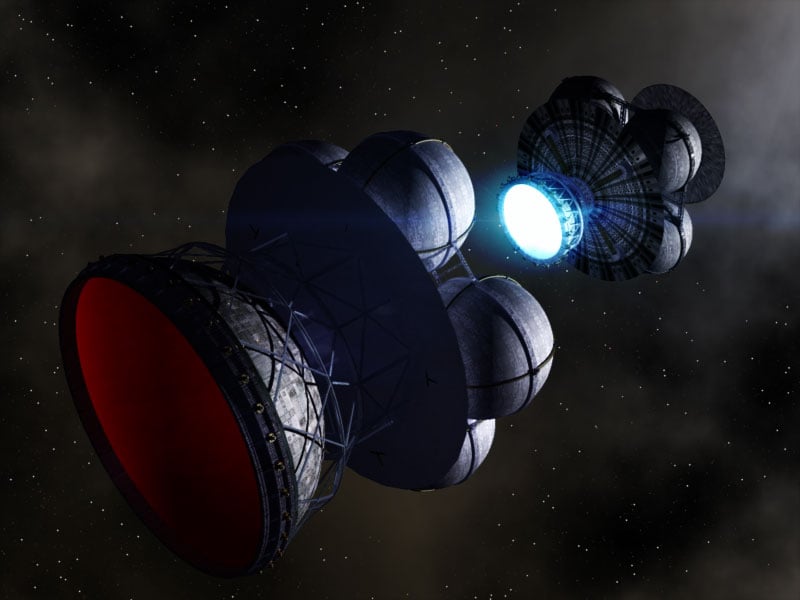
Surveys how fusion-based spacecraft designs emerged from the Space Age and Cold War, tracing landmark proposals such as Bussard’s ramjet, Project Daedalus, the Enzmann starship, and Project Longshot, and showing how each tried to solve the twin challenges of fuel, speed, and travel time for interstellar journeys while remaining (at least in theory) within reach of existing or near-future technology.
 Micah Hanks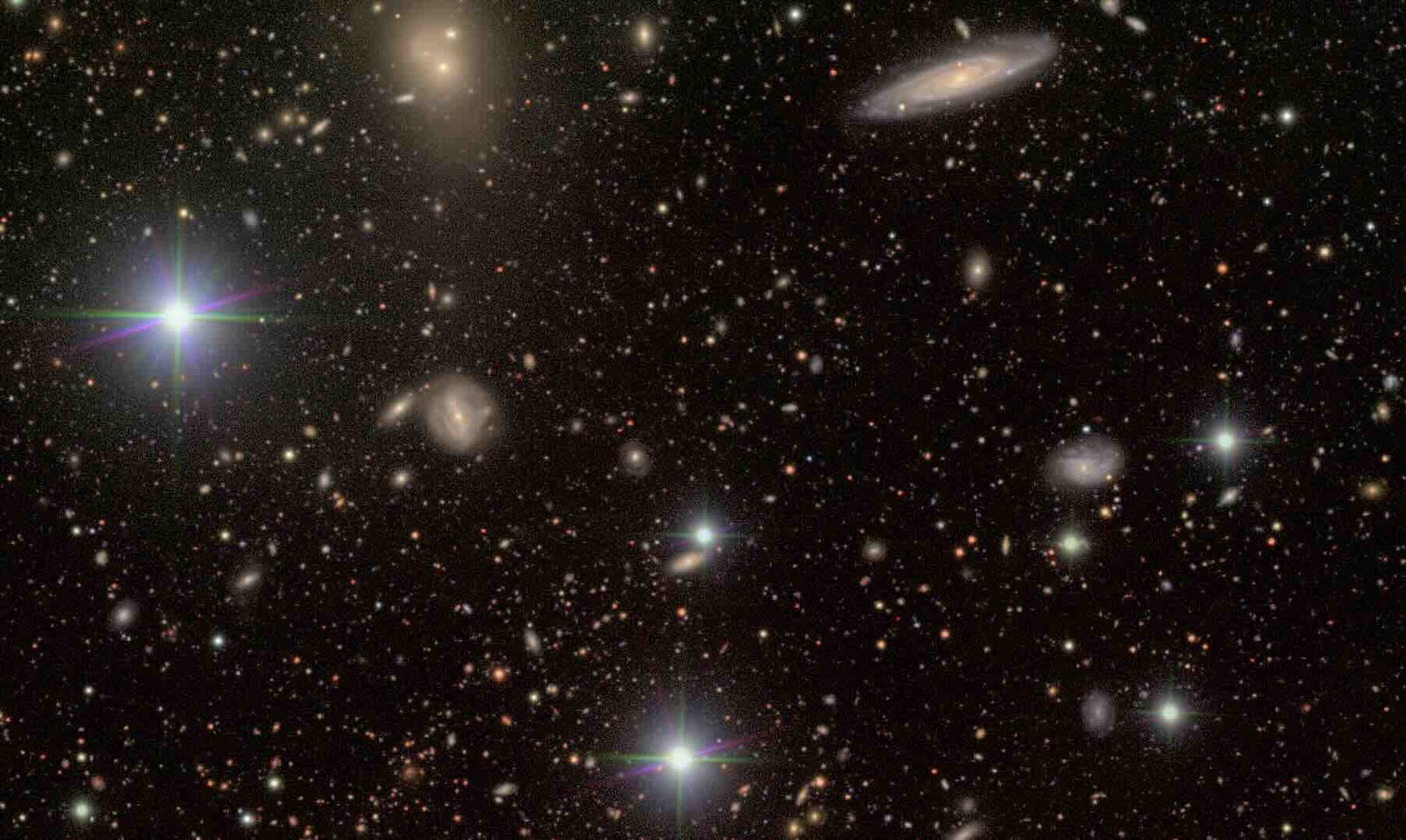
Reports the release of the Vera C. Rubin Observatory’s first major science image, a deep, composite view of the COSMOS field containing more than half a million galaxies and tens of thousands of stars, and explains how repeated imaging of this region over the coming decade will let astronomers track transient events and subtle changes, building an unprecedented, evolving “movie” of the universe’s distant past.
 Annie Curtis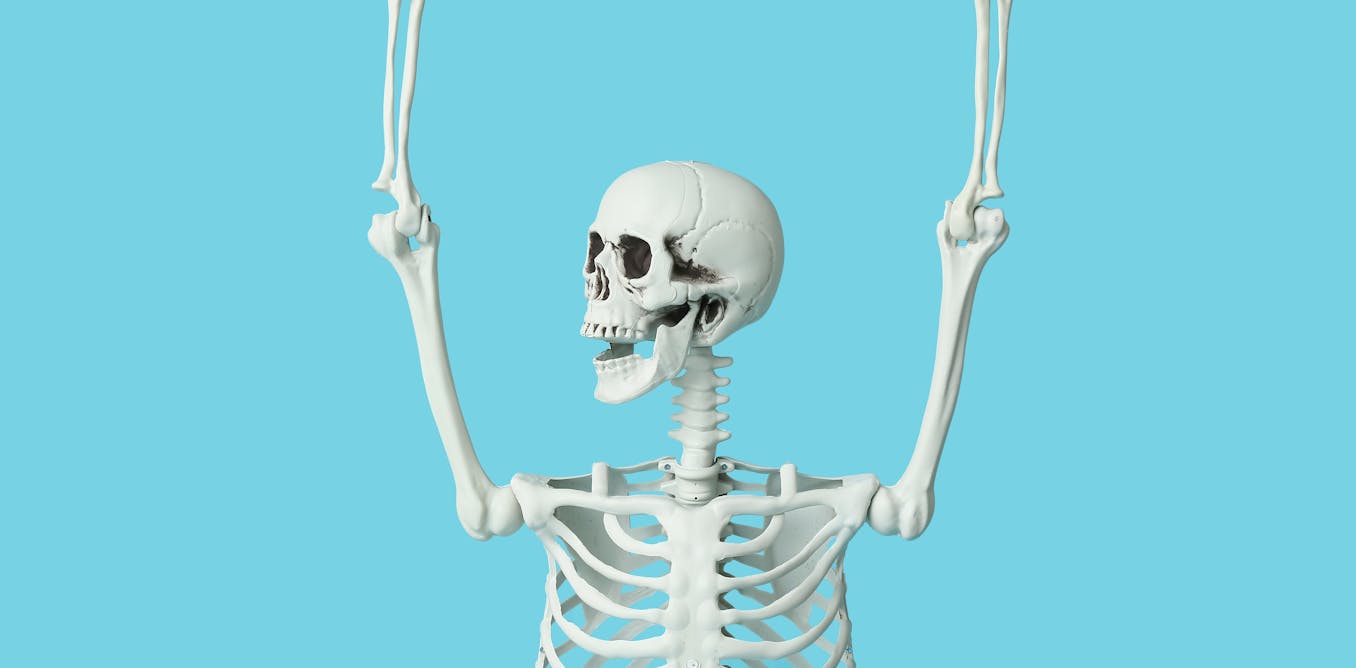
Explains that bones are constantly being broken down and rebuilt by specialized cells that follow their own circadian rhythm, shows how hormones like melatonin and modern habits such as late-night light exposure and irregular sleep can disrupt this daily timing, and introduces the idea that paying attention to when we sleep, eat, exercise, or take certain treatments may be as important for long‑term bone strength as what we do.
 Jenna Flogeras
Describes new research in mice showing that the brain’s primary visual cortex does more than just pass along raw visual signals: it quickly compresses chaotic scenes into statistical summaries (like overall motion direction), with large populations of neurons jointly extracting order from noise, reshaping their responses through learning, and offering clues for building more efficient, brain‑inspired machine vision systems that focus on what matters instead of every detail.
 Tim Newcomb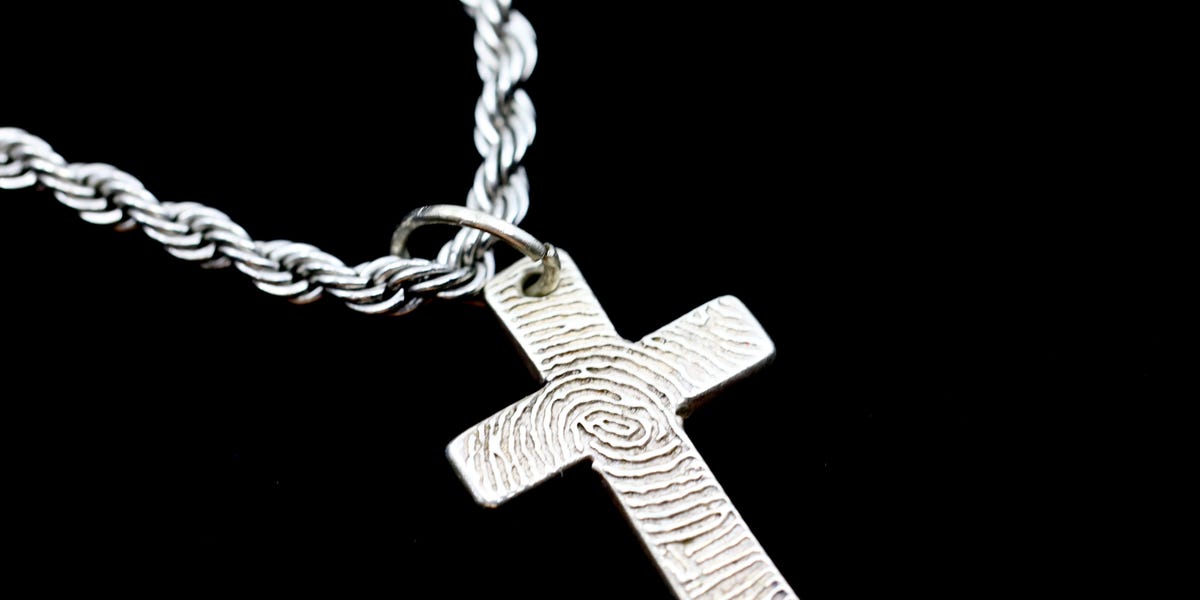
Recounts the discovery and painstaking digital deciphering of a tiny third‑century silver amulet found on a skeleton near Frankfurt, revealing an 18‑line Latin Christian inscription that appears to be the earliest clear evidence of Christian devotion north of the Alps and may push back the timeline for the religion’s spread in that part of the Roman Empire by several decades.
 Josh Bloom
Argues that asking whether “peptides” are good or bad is a meaningless question, because the term simply describes molecules made of amino acids, not their function or safety, and lumping everything from insulin to aspartame to trendy injectable “wellness” compounds into one bucket fuels confusion and online hype.
Reports a lidar-based discovery of nearly 400 previously unknown geometric earthworks hidden under the southwestern Amazon rainforest canopy, some dating back more than two millennia, and explains how their size, layout, ceremonial uses, and links to a multicultural Aquiry society strengthen the case that the region once held dense, complex pre‑Columbian populations rather than being a pristine wilderness lightly touched by humans.
A narrative history of how anesthesia transformed surgery from a brutal, fully conscious ordeal into a sophisticated, multi‑drug specialty, moving from early ether and laughing‑gas experiments and feuds between pioneering dentists, through Queen Victoria’s high‑profile chloroform births, the development of intravenous and safer inhaled agents, and jungle‑derived muscle relaxants like curare, to today’s carefully monitored, multi‑drug protocols that allow complex operations to be calm, painless, and far less risky.
Trailers:
Photography:

 GORDON PARKS


Around the Web: